Emerging Specialty Finishes: The New Aesthetic
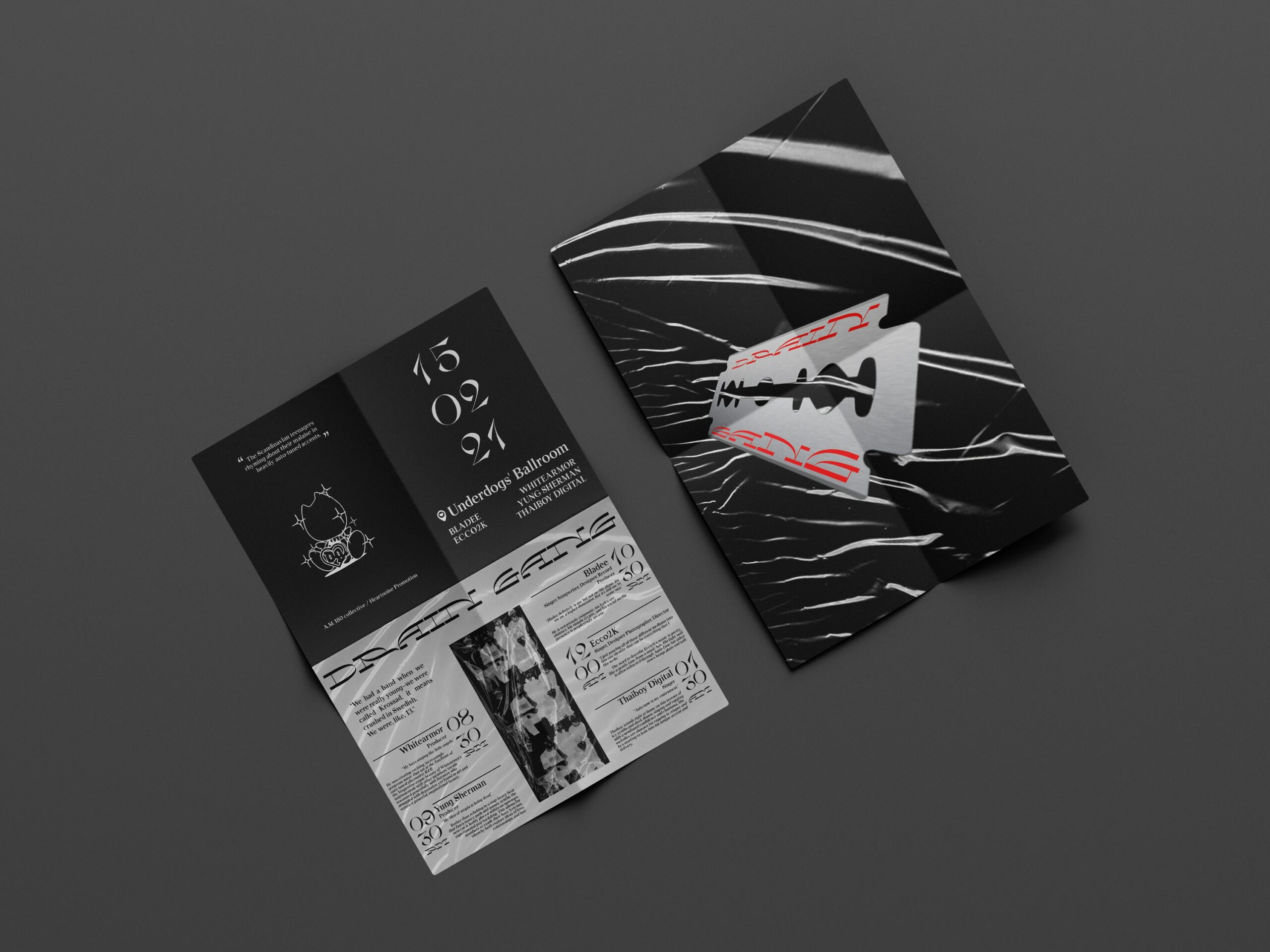
As we move towards 2026, the world of print is experiencing a remarkable evolution, particularly in the realm of specialty finishes. These innovative techniques not only elevate the aesthetic appeal of printed materials but also enhance user interaction by creating a captivating tactile experience. Among the most sought-after finishes are metallic inks, embossing, and textured surfaces, each playing a crucial role in differentiating products in an increasingly competitive marketplace.
Metallic inks, for instance, have gained traction due to their ability to deliver a striking visual impact. Their reflective quality draws attention and can transform ordinary packaging or promotional materials into visually compelling designs. Industries ranging from cosmetics to food and beverage are adopting metallic finishes to enhance their branding efforts, signaling a trend of luxury and sophistication that resonates well with consumers.
Embossing, another remarkable specialty finish, adds depth to printed products, creating a three-dimensional effect that is both appealing and tactile. This technique has become increasingly popular in sectors such as luxury goods, greeting cards, and high-end packaging. The physical feel of an embossed surface encourages customer interaction and offers an enticing touch that flat finishes simply cannot replicate.
Textured surfaces, which can include linen finishes, soft-touch coatings, or even raised textures, further amplify the sensory experience of printed items. These specialized finishes are not just about aesthetics; they also convey an impression of quality, making them particularly desirable in markets focused on premium products. The use of textures has been witnessed in various industries, especially those driven by branding and customer loyalty.
In conclusion, the incorporation of emerging specialty finishes such as metallic inks, embossing, and textured surfaces is reshaping the print landscape. As businesses recognize the value of these unique enhancements, we can expect to see a growing prevalence of these techniques, leading to more innovative and striking print applications that engage and retain consumer interest.
Sustainable Substrates: Eco-Friendly Choices in Print
The printing industry has witnessed a significant paradigm shift towards sustainability, as environmental awareness among consumers grows substantially. With an increasing number of environmentally conscious consumers, there is a rising demand for sustainable substrates that minimize ecological impact. This shift towards eco-friendly printing practices is prompting brands to reconsider their material choices, leading to the adoption of innovative alternatives such as recycled paper and biodegradable plastics.
Recycled paper, for instance, is made from post-consumer waste and serves as an excellent sustainable substrate choice. By utilizing this material, printing companies can significantly reduce their carbon footprint, conserve energy, and contribute to the circular economy. In addition to recycled paper, the introduction of biodegradable plastics has garnered attention. These materials decompose under natural conditions, thus presenting a viable solution for packaging and printed products that traditionally relied on non-degradable plastics.
Moreover, brands are increasingly integrating eco-friendly inks and coatings into their printing processes. Vegetable-based inks, which are derived from renewable resources, not only reduce harmful emissions compared to petroleum-based alternatives but also align with the evolving preferences of sustainability-driven consumers. By investing in these greener options, companies can appeal to a market that values environmental considerations as part of their purchasing decisions.
As sustainability continues to gain traction, more organizations are re-evaluating their suppliers and operational practices, aiming to reduce waste and streamline processes. Many companies are now prioritizing supply chain transparency and sustainability certifications to resonate with eco-aware customers. Ultimately, the focus on sustainable substrates not only reflects an ethical responsibility but also enhances brand loyalty and trust, positioning companies for long-term success in an increasingly competitive market.
The Rise of Short-Run Printing: Customization and Demand
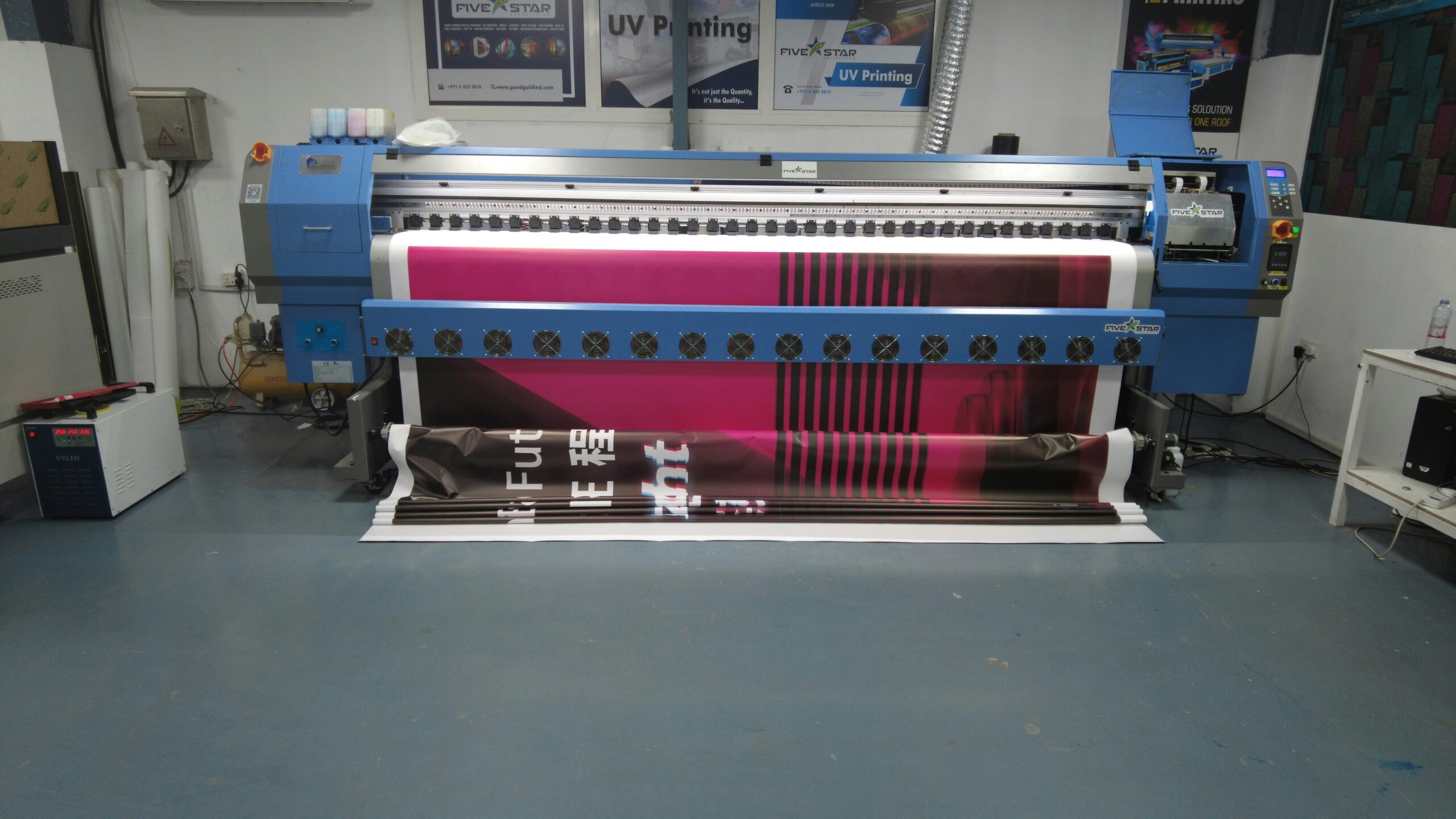
In recent years, the printing industry has witnessed a significant shift towards short-run printing, reflecting changing consumer preferences for customization and uniqueness in products. This trend has been primarily driven by advancements in digital printing technology, which offer flexibility and efficiency that traditional printing methods cannot match. As businesses and consumers increasingly demand tailored solutions, short-run printing has emerged as a vital tool to meet these needs.
Short-run printing allows businesses to produce smaller quantities of printed materials without incurring the hefty costs associated with large-scale production. This capability provides flexibility for companies looking to cater to niche markets, enabling them to quickly adapt their offerings to match consumer preferences. For instance, companies in the fashion and home décor industries are leveraging short-run printing to create limited-edition pieces, attracting consumers who prefer products that reflect their personal style.
One notable example of this trend is the rise of print-on-demand services. These platforms allow individuals and small businesses to create custom designs that can be printed and shipped directly to customers without maintaining inventory. This model not only reduces waste but also empowers artists and entrepreneurs to explore creative avenues that were previously unattainable. Companies such as Printful and TeeSpring exemplify this approach, enabling users to design apparel, accessories, and home goods tailored to individual tastes.
Furthermore, the surge in e-commerce has spurred the demand for short-run printing, as small businesses seek to differentiate their product offerings in a competitive marketplace. The ability to run small batches of customized goods allows businesses to engage consumers through personalized marketing, enhancing customer loyalty. Overall, as digital printing technology continues to evolve, it is evident that short-run printing will play a crucial role in shaping the future of consumer products.
Fading Trends: What’s Falling Out of Favor in Print
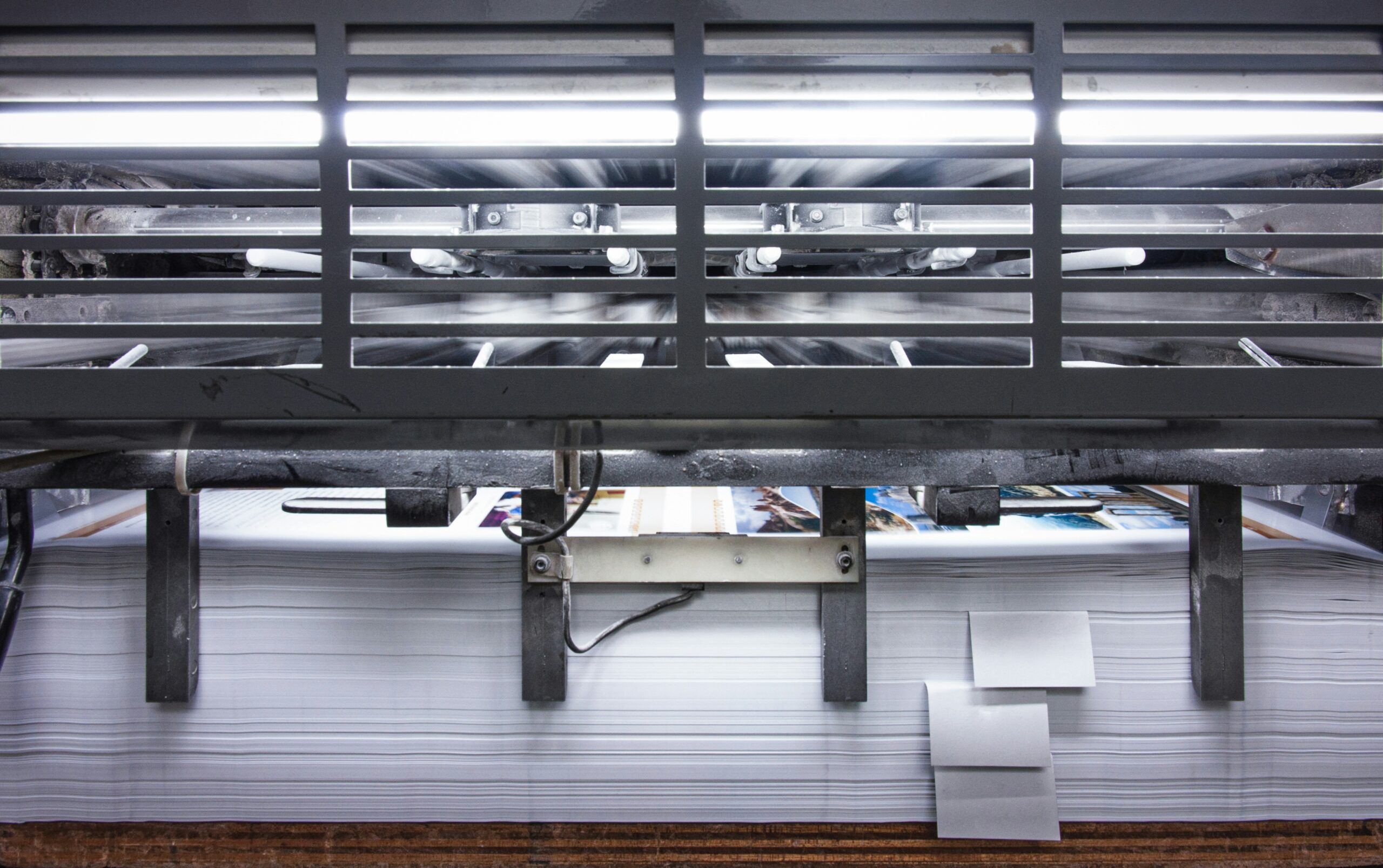
The printing industry is experiencing significant transformations, with certain practices and technologies gradually falling out of favor. One of the most notable trends is the decline in mass printing techniques, which have been predominant for decades. As businesses increasingly recognize the inefficiencies and environmental impacts of large-scale print runs, many are transitioning toward more sustainable methods, such as digital printing. Digital printing provides the advantage of producing materials on demand, which reduces waste and cuts down on excess inventory for companies.
Another aspect contributing to the decline of traditional printing methods is the heightened awareness of environmental sustainability. The use of non-sustainable materials, including certain types of inks and paper, is being increasingly scrutinized. Customers and businesses alike are prioritizing eco-friendly alternatives, prompting printing companies to rethink their material choices. Consequently, practices that involve toxic chemicals and non-recyclable products are being abandoned in favor of greener solutions. This shift not only addresses environmental concerns but also aligns with the changing preferences of consumers who demand sustainable options.
Additionally, technological advancements are rendering certain older techniques less effective or relevant. For instance, the rise of automated workflows and artificial intelligence in print operations has necessitated a re-evaluation of traditional roles in the printing process. As a result, reliance on labor-intensive methods, which can be prone to error and inefficiency, is decreasing. The integration of technology simplifies processes and enhances the overall quality of print outputs, ensuring that businesses remain competitive in a fast-evolving market.
Overall, the fading trends in printing signify a broader movement towards greater efficiency, sustainability, and technological integration. As the industry continues to evolve, these shifts are paving the way for new practices that resonate more with contemporary values and consumer expectations.