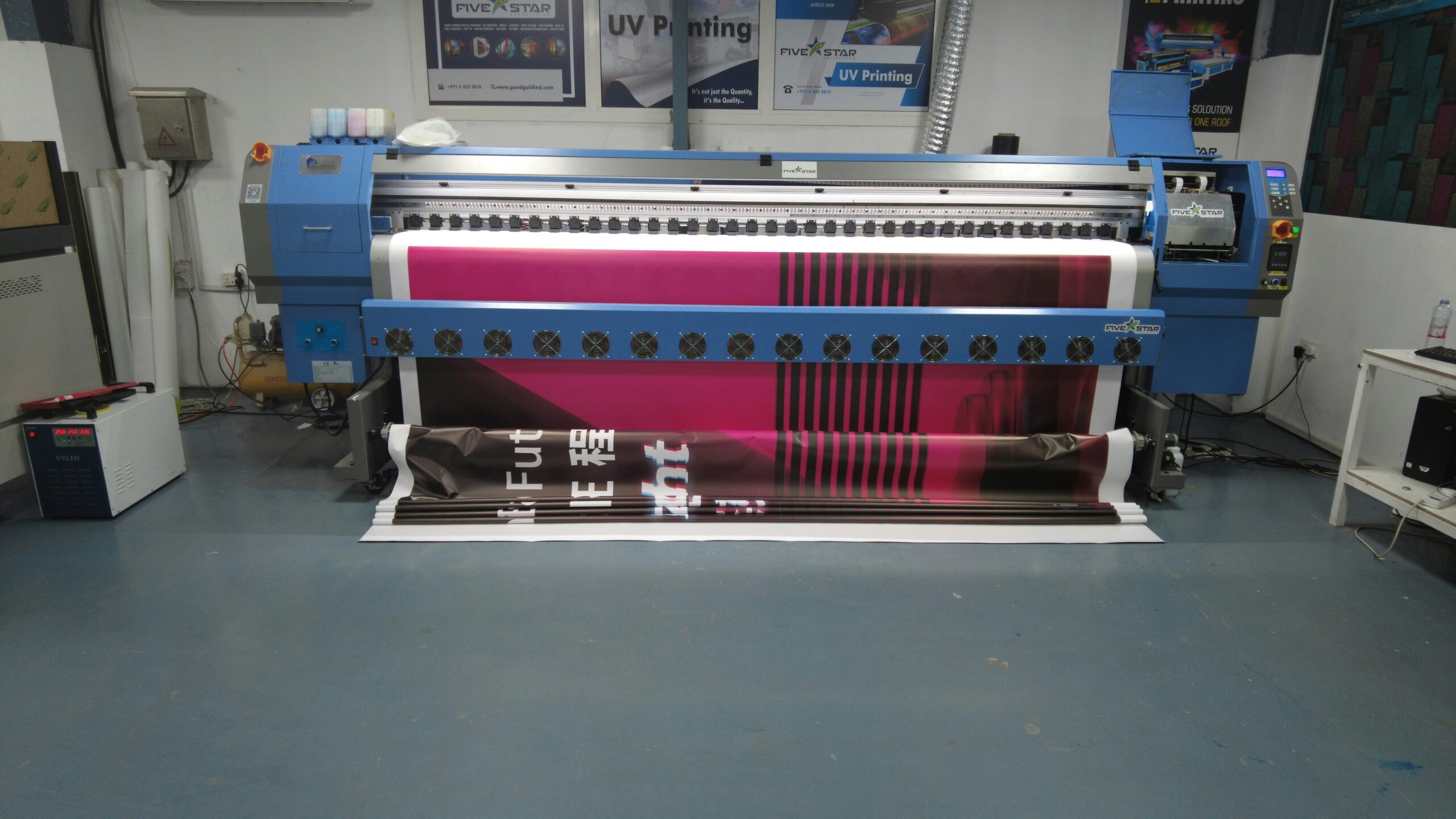
Understanding the True Cost of Cheap Printing
When considering the option of cheap printing services, resellers must look beyond the appealing low upfront costs. It is crucial to assess the potential hidden costs that could arise, which may ultimately outweigh the immediate savings. Often, budget printing is accompanied by substandard materials and inadequate workmanship. This can compromise the overall quality of the printed products, reflecting poorly on both the reseller and the end client.
For instance, the use of inferior paper stock can lead to print jobs that wear out quickly or do not deliver the promised vibrancy in colors. Additionally, low-quality inks may result in fading or smudging, diminishing the product’s longevity and visual appeal. The consequence is a final product that fails to meet customer expectations, leading to dissatisfaction and, potentially, lost clients.
The ramifications of delivering a poor-quality product can be extensive. A dissatisfied customer may choose not to return, leaving the reseller with a damaged reputation and a decline in referrals. In the long term, the costs associated with reprints, product returns, and customer service complaints can accumulate substantially, negating any initial savings that might have been accrued from choosing a cheaper printing option.
Furthermore, if the quality of the printed materials becomes a consistent issue, the reseller may find it increasingly difficult to compete in a market where customers are ever more discerning. Building a reliable brand reputation built upon quality is paramount in maintaining long-term success. Therefore, understanding the true costs associated with cheap printing is invaluable for resellers aiming for consistent customer satisfaction.
Quality vs. Price: Building Trust with Clients
In the competitive landscape of printing services, resellers often face the dilemma of prioritizing quality versus price. While it can be tempting to lower prices to attract clients, focusing on high-quality products can yield significant long-term benefits. Clients are increasingly discerning; they seek not only affordability but assurance in the durability and aesthetic appeal of printed materials. When resellers prioritize quality in their offerings, they naturally cultivate trust with their clients, thereby encouraging repeat business and fostering strong client relationships.
Several resellers have successfully navigated this balance and can serve as case studies in maintaining quality standards. For instance, a family-owned print shop implemented stringent quality controls and invested in superior materials, which led to enhanced product durability and customer satisfaction. As a result, they experienced a marked increase in repeat orders, as clients appreciated the value that quality printing brought to their projects. Testimonials from satisfied customers highlighted not only the aesthetic quality of the prints but also the reliability and professionalism of the service provided.
Moreover, building trust through quality can differentiate a reseller from competitors who may compete primarily on price. Clients are more likely to remain loyal to businesses that consistently deliver high standards and a positive customer experience. This loyalty translates to referrals, repeated purchases, and, ultimately, a stronger bottom line. Feedback from clients reinforces the importance of this strategy, with many expressing that their choice of a printing service is influenced by past experiences of quality and service rather than mere pricing.
In conclusion, while price is a significant factor in purchasing decisions, offering high-quality printing services will ultimately foster trust, enhance customer loyalty, and lead to sustainable success in the marketplace.
Ensuring Consistent Quality: Best Practices for Resellers
In the highly competitive printing industry, maintaining consistent quality is paramount for resellers aiming to retain and grow their customer base. One of the first steps in ensuring printing quality is selecting the right suppliers. Resellers should conduct thorough research to identify suppliers known for their reliability and quality of materials. Engaging with multiple suppliers can provide a safety net, allowing resellers to compare quality and delivery timelines, thus ensuring that they meet client expectations.
Investing in quality materials and equipment is another critical factor. The choice of paper, ink, and printing technology directly affects the final product. Resellers should prioritize high-quality materials that stand the test of time and enhance the final output’s appearance. Additionally, utilizing state-of-the-art printing equipment can significantly minimize errors and inconsistencies, leading to superior results in print jobs.
Implementing robust quality control measures is essential to safeguard the consistency of printed products. Resellers should establish a comprehensive quality assurance process that includes regular checks at each stage of production. This process might involve pre-production proofs, in-process inspections, and post-production evaluations to catch potential issues early. Detecting quality problems before the final product reaches the customer is vital in sustaining customer satisfaction.
Lastly, training staff involved in the printing process cannot be overlooked. Regular training sessions focused on quality standards and new printing technologies empower employees to perform their tasks with precision. Creating a culture of quality within the team encourages individuals to take ownership of their work, leading to a more consistent quality output overall. By adopting these best practices, resellers can effectively ensure the quality of their printing services, thereby enhancing their reputation and customer loyalty.
Long-Term Implications of Prioritizing Quality
In the world of printing services, the choice between cost and quality can significantly influence a business’s long-term trajectory. While opting for cheap printing solutions may appear appealing in the short run, such decisions often carry hidden costs that can undermine a reseller’s sustainability and profitability over time.
A critical aspect of prioritizing quality in printing is its direct correlation with brand reputation. High-quality printed materials reflect professionalism and attention to detail, enhancing a brand’s image in the eyes of its customers. Conversely, cheap printing often results in subpar outcomes that can damage perceptions and harm trust. Poor print quality may result in faded colors, misalignment, and an overall unappealing finish, which might lead customers to question a reseller’s reliability and competence. This gradual erosion of trust can eventually translate into lost sales and diminishing customer loyalty.
Furthermore, maintaining a commitment to quality can significantly bolster customer retention rates. Happy customers are more likely to return for future purchases and recommend services to others, thereby fostering organic growth through word-of-mouth marketing. In contrast, when customers receive low-quality products, they are less inclined to engage in repeat business, which directly impacts the reseller’s bottom line. Strategic investments in superior printing technologies and materials not only enhance customer satisfaction but also create opportunities for upselling premium services.
Taking a long-term view, the initial savings from cheap printing may lead to increased operational costs due to higher returns, customer complaints, and the need for reprints. Ultimately, prioritizing quality can drive overall business growth, promoting a cycle of positive feedback that reinforces brand loyalty and enhances competitive advantage. In conclusion, while the allure of low-cost printing is considerable, the long-term implications of prioritizing quality are paramount for sustained success in the printing industry.